Grass-Fed Tallow Skincare: Why the Ranch Behind It Matters
Where my grass-fed tallow skincare begins: a regenerative ranch nearby, why a grass-raised animal gives a different fat, and what I can feel in it by hand.
The cream in my jars starts as fat. Real fat, rendered off a steer that spent its whole life on grass, and if that made you wince a little, good, you’re paying attention. I make grass-fed tallow skincareby hand on a fourth-generation Montana ranch, and the question I get most isn’t whether tallow works. It’s usually some version of, okay, but where does it actually come from. Fair question. I want to answer it straight, because where it comes from is most of the reason it does anything at all.
So let me take you a few valleys over from where I render, to the ground where a lot of my tallow begins. I want to show you why a grass-raised animal gives a different fat than a feedlot one, and what I can feel with my own hands depending on how that animal lived. The source isn’t a small detail. It’s the whole foundation, and I won’t pretend otherwise.

What Is Grass-Fed Tallow, and Why Does the Source Matter?
Because the fat carries the life of the animal, and nothing later in the process puts back what a hard life left out. Rendered slow, the fat off a grass-raised steer comes out pale and clean. It doesn’t smell like a kitchen accident the way people brace for. It smells like almost nothing, which is the first sign it was raised and rendered right. Fat off a feedlot animal renders differently, and you can tell.
- Renders darker and heavier
- Carries a barnyard smell that lingers
- Thinner in the fat-soluble vitamins
- Needs more masking to feel usable
- Renders clean and pale
- Smells like almost nothing
- Deeper in the fat-soluble vitamins
- Sets up firm and stable on its own
For most of human history none of this was unusual. Tallow was the salve and the soap and the tin a rancher’s mother kept by the stove for cracked hands all winter. We forgot it for a few decades while the shelves filled up with bottles, and now people are coming back to it. I didn’t come to it through a trend. I came to it the way you come to anything on a ranch, by needing it to work. And here’s the first thing to understand about grass-fed tallow skincare. How the animal lived decides almost everything about the jar, and that’s settled long before I ever light the burner.
Where Does the Tallow Actually Come From?
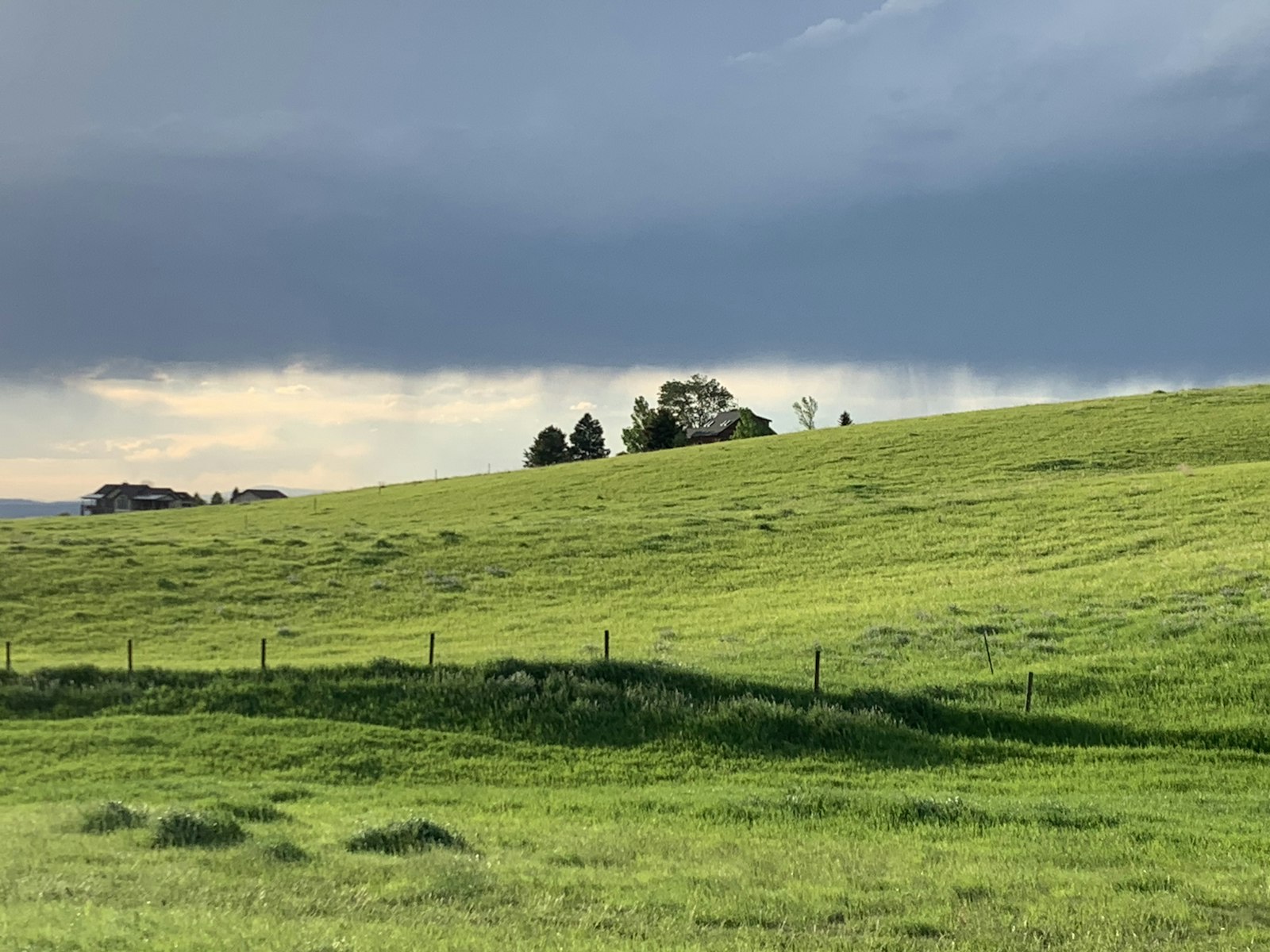
A lot of the tallow I work with begins on land that’s genuinely looked after. There’s a regenerative cattle ranch over in the Tom Miner Basin, the B Bar Ranch, where the animals get moved on purpose, grazing a piece of ground down and then leaving it to rest. The grass comes back deeper for it. The soil holds more water through the dry stretch of August. Birds they didn’t used to see are nesting in the taller stands now. None of that’s an accident. It’s the whole point of raising cattle that way, and the soil-health work behind managed grazing is well documented if you want to read past my word for it.
“The animal carries the basin in it. The grass it ate, the rest it got, the water the ground held onto. None of that disappears when the fat is rendered. That’s the reason the simple thing works.”
When the rancher there told me he could see the difference in his land season over season, I believed him before he finished, because I can feel that same difference in the fat. He spends his days trying to leave the ground better than he found it. A few valleys over, I take what that ground grew and turn it into skincare. Same loop, both ends.
What Makes Grass-Fed Tallow Different?
People assume grass-fed is a label thing, a sticker that lets me charge more. It isn’t. When I scrape a fresh batch, grass-raised kidney suet is a different color than the conventional kind, a deeper cream, and it sets up firmer and renders cleaner. That difference is the fat-soluble vitamins the animal pulled out of living grass and sunlight, the ones a grass diet puts into the fat and a grain-finished one mostly doesn’t. Here’s the distinction most labels skip: mine is grass-finished, which goes a step past grass-fed. Plenty of cattle graze on grass and then get finished on grain, and that quietly changes the fat. Ours stay on grass their whole lives, finishing included, and that’s the part you feel in the jar. I’m not going to stack medical claims on a jar of rendered fat. What I’ll tell you is that the better the animal lived, the gentler and steadier the butter I can make from it. I’ve rendered enough batches now to know it in my hands before I know it on paper. I walk through exactly how the rendering and the herb infusions happen in how it’s made, if you want to see the rest of the process.
Once it’s rendered, I’m just as fussy about keeping it that way. Every jar is thick UV-protected violet glass. Most tallow brands reach for amber, and violet blocks more of the light that quietly breaks tallow down over time, so what you scoop out in week eight is as alive as the day I poured it.
- 1On grassThe cattle graze a stretch of ground down and then move on, so it rests and comes back deeper the next round.
- 2Rendered slowI render the fat low and slow in small batches until it goes clean and pale and smells like almost nothing.
- 3Into violet glassIt goes into thick UV-protected violet glass that holds the light out, so it stays fresh on your shelf, not just in my kitchen.
I render in small batches in a ranch kitchen that still smells faintly of the last one, on a stretch of the Yellowstone Valley near Pompeys Pillar where my family has run cattle for four generations. When the grass goes gold in late summer the way it has in the meadow below the house, I can almost guess how that season’s grass-fed tallow skincare will come out, a shade deeper and richer in the jar. No two batches come out identical, and I wouldn’t want them to. You can see the season in the cream if you know what you’re looking at.
Is Tallow Actually Good for Your Skin?
It changes the part you can actually feel, which is the only part I’ll promise on. A clean, grass-raised tallow goes on closer to something your own skin already recognizes, and it doesn’t need a long list of synthetics propping it up to stay usable on the shelf. That’s the honest version. It won’t erase years or do a procedure’s job, and I’d tell you that plainly either way. What it does do is sit gently on skin that’s been through too much, and that’s most of the skin I make this for.
A jar of tallow is just rendered fat and a little patience, the same thing a ranch wife would have recognized a hundred years ago. What separates a good one from a forgettable one isn’t a fancier process. It’s whether the animal it came from actually lived well on real grass. You can’t add that back later, so I start there.
Tallow Skincare FAQ: Smell, Pores, and Violet Glass
By the time most people find me, they’ve already gone down the tallow rabbit hole online and shown up with a few real questions. Here are the ones I hear most, answered straight.
How to Start Using Tallow Skincare
If you’ve scrolled through a dozen videos about tallow and landed here wondering whether grass-fed tallow skincare is worth the difference, start with one staple jar and let your own skin be the judge over a few weeks. Most people move through a small jar in about eight weeks, so it’s a low-stakes way to find out. You can see the whole lineand pick the one that matches the skin you actually have, and you’ll know it came off an animal that lived well on ground that’s better for having had it there.